Science Pub: Titanic - Beyond the Wreck
Science Pub: Returning to the Wreck of RMS Titanic and Exploring Western North Atlantic Deep-Sea Science with Steve W. Ross, PhD, Adjunct Research Professor, Partly Retired, Univ. of North Carolina at Wilmington, Center for Marine Science
August 11, 2026 | 7-9PM; Doors at 6PM | OMSI’s Empirical Theater
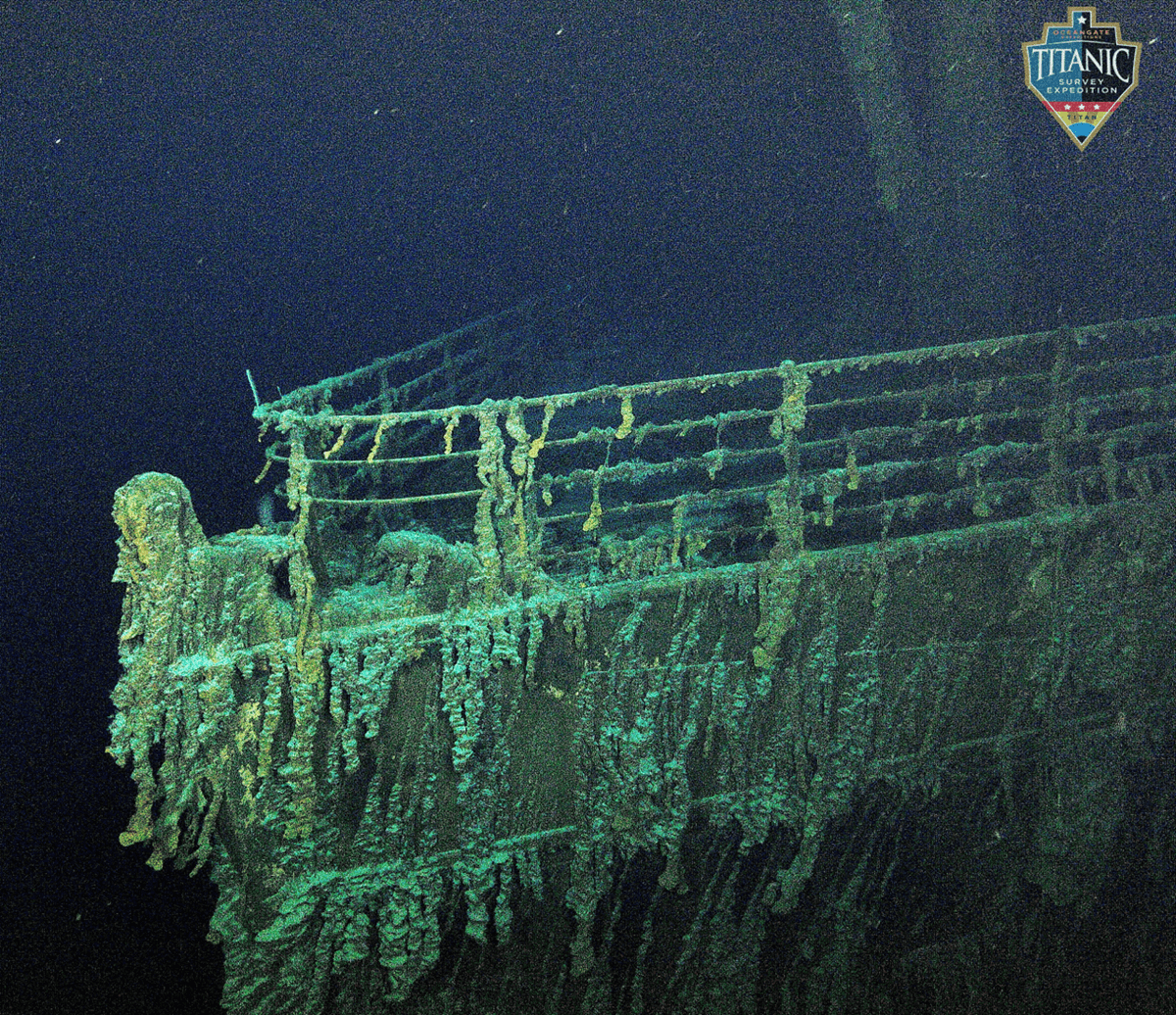
Exploration of the deep ocean has gained momentum in the last 25 years. Development of a new 5-person submersible (the Titan) capable of diving to 4000 m (13,123 ft) allowed recent explorations of the RMS Titanic shipwreck and the nearby seafloor. OceanGate, Inc., who owned the submersible, pioneered a new model to deliver scientists and other persons to the deep sea. As most know, however, this endeavor ended in tragedy. The deep sea (deeper than 200 m) is the least known environment on Earth. The Titanic, which lies at about 3800 m depth, is an iconic wreck to explore and has been the subject of several expeditions since its location was discovered in 1985. However, like most of the deep sea, its ecology is poorly known. This presentation will explore development of the submersible, the 2021-2023 Titanic expeditions, and an introduction to other deep-sea ecosystems, including deep-sea corals, methane seeps and submarine canyons.
Science Pubs are a casual lecture series located in fun venues across the region, recommended for ages 10 and over.
Tickets: $8 suggested donation | Advance tickets recommended
Zoom Option: If you are unable to join us in person, you can watch on Zoom. You must register in advance. After registering, you will receive a confirmation email containing information about joining the meeting.
Dr. Ross is a native of North Carolina (now living in Oregon) and has spent most of his career involved in marine science of the US and Canadian east coast and Gulf of Mexico regions. He earned a BS degree in zoology from Duke University, a Master’s degree from UNC-Chapel Hill, and a PhD from NC State University. He was the Research Coordinator for the NC Coastal Reserve Program for 13 years. He has conducted numerous, diverse projects in estuaries and offshore waters and has served as Chief Scientist on many cruises, including those using submersibles and ROVs. He has led offshore studies for the US Geological Survey. The recent project on mid-Atlantic submarine canyons led by Dr. Ross won two major federal government awards. His areas of specialization are ichthyology (fishes) and deep-sea coral ecology. The current work of Dr. Ross involves assessment of the communities of unique deep-water habitats off the southeastern US, in the Gulf of Mexico, in the Middle Atlantic Bight, and off Atlantic Canada. The research team is focusing on energy flow (trophodynamics) and relationships of animals to various habitats, including coral banks, canyon systems, rocky areas, shipwrecks and methane seeps. Dr. Ross is involved with European scientists in conducting deep-sea, trans-Atlantic ecosystem studies. One goal of this research is to provide information for these poorly known areas that will facilitate management and protection of productive and vulnerable habitats.